16 Stylish Home Office Interior Design Ideas to Boost Productivity
Many people struggle to stay focused when working from home because their workspace feels distracting, cramped, or uncomfortable. Poor layouts can reduce motivation and make daily tasks feel harder than necessary.
A well-planned workspace solves these challenges by improving comfort and organization. These home office interior design ideas help create a productive environment that supports concentration, efficiency, and better work habits every day.
Limited storage, weak lighting, and clutter often lead to frustration during busy work hours. Smart design solutions can maximize available space, enhance functionality, and make the room feel more inviting.
How to Choose the Right Layout for Your Home Office Interior Design
Choosing the right layout for your home office interior design helps you create a comfortable and productive workspace. A good layout improves focus, saves space, and makes daily work easier.
- Understand your room size and choose a layout that fits well without overcrowding the space.
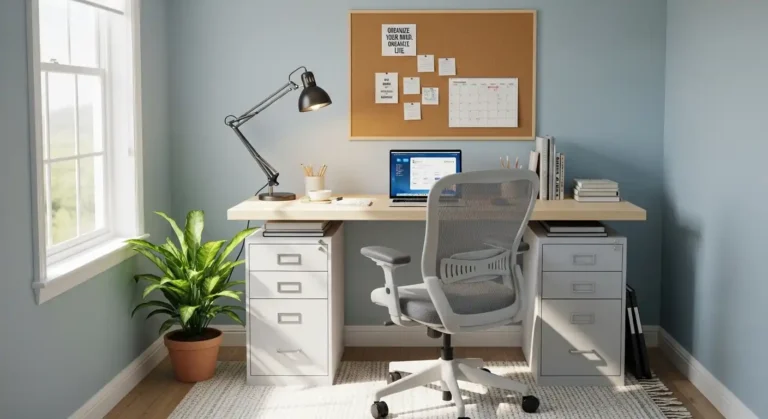
- Place your desk near natural light to improve focus and reduce eye strain.
- Keep work and personal areas separate to maintain better concentration.
- Ensure enough space to move easily around your desk and furniture.
- Add storage close to your workspace to keep things organized and tidy.
Why Your Home Office Interior Design Ideas Directly Affect Productivity
Your physical environment has a direct and powerful influence on how well your brain functions during work. Poor layouts, bad lighting, and uncomfortable furniture drain mental energy and make staying focused genuinely difficult throughout the day.
I am going to share home office interior designs that transform your workspace into a productivity powerhouse. These carefully selected ideas improve comfort, organization, and focus, helping you work smarter and more efficiently every single day.
1. Choose a Dedicated Workspace Zone
Selecting a specific area for work is an important step in home office interior design ideas, as it helps separate professional tasks from personal life. Even a small corner can become productive with the right furniture and thoughtful arrangement.
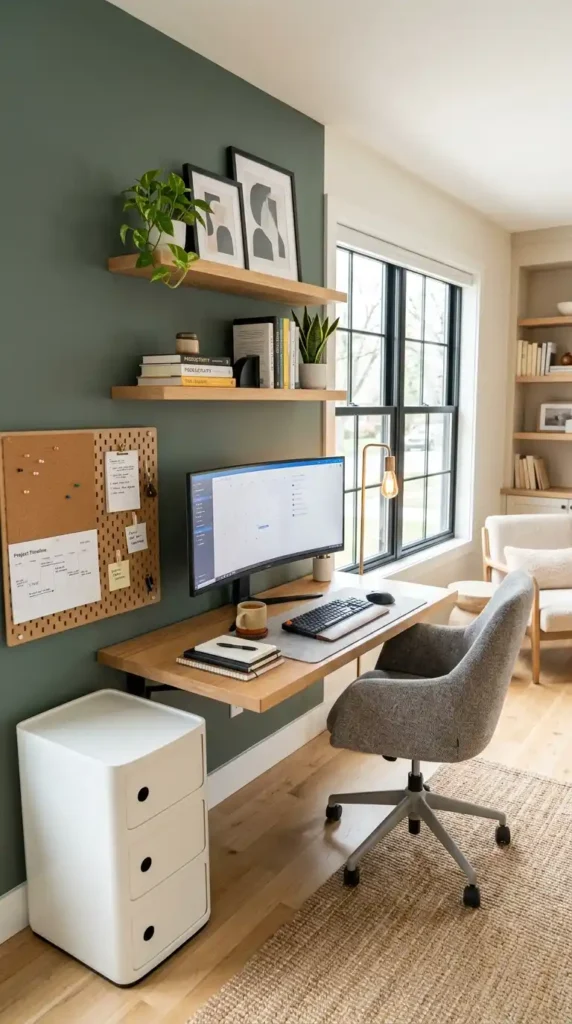
Defining your workspace reduces distractions and builds a focused mindset. Clear boundaries between living and working areas improve concentration, making it easier to stay on task throughout the day.
2. Maximize Natural Light
Positioning your desk near a window floods the space with energizing daylight. Natural light reduces eye strain, lifts mood, and creates a more comfortable environment for extended work sessions.
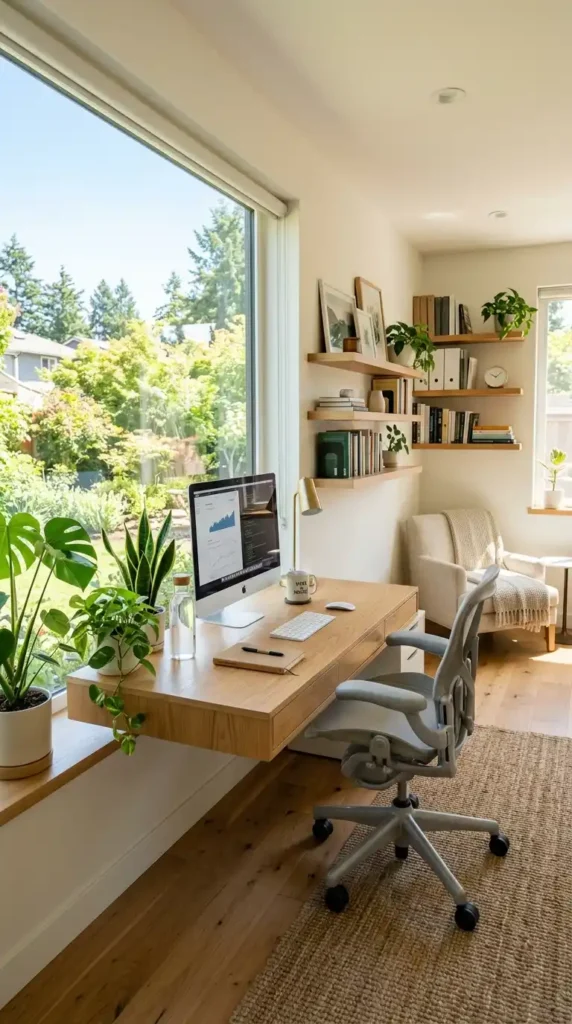
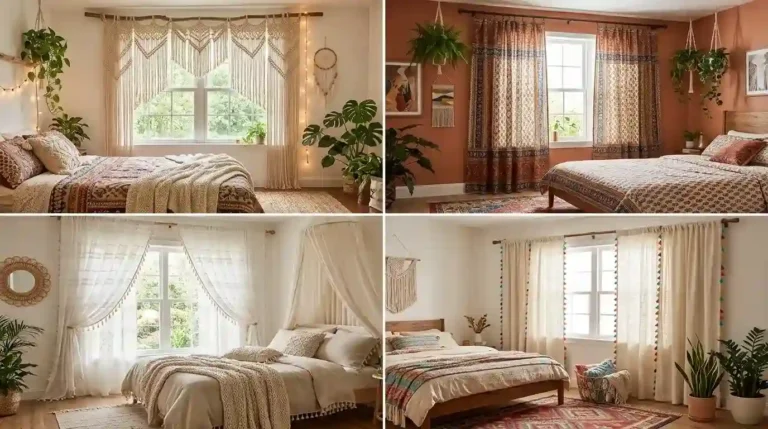
Large windows or sheer curtains allow sunlight to brighten the room without harsh glare. Good lighting improves alertness and makes the workspace feel open, airy, and more visually appealing overall.
3. Invest in an Ergonomic Chair
A supportive ergonomic chair protects your posture during long working hours. Adjustable height, lumbar support, and cushioned seating reduce back pain and keep you comfortable throughout busy, demanding workdays.
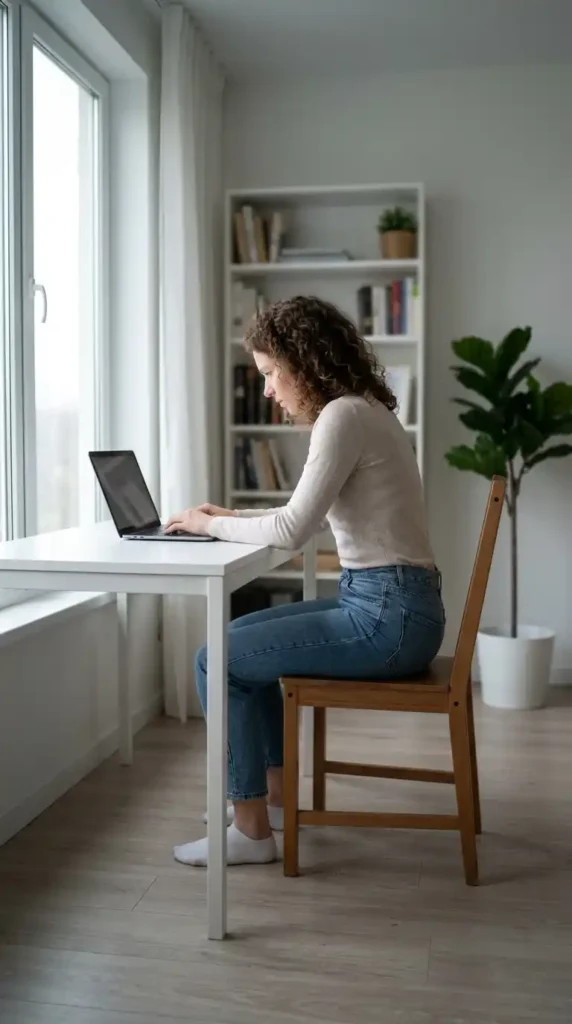
Choosing the right chair improves focus and physical wellbeing simultaneously. Uncomfortable seating causes fatigue and distraction, so investing in quality ergonomic furniture is one of the smartest home office decisions.
4. Use Vertical Storage Solutions
Wall-mounted shelves and tall bookcases maximize storage without consuming valuable floor space. Vertical solutions keep supplies organized, reduce clutter, and make even small home offices feel remarkably spacious and functional.
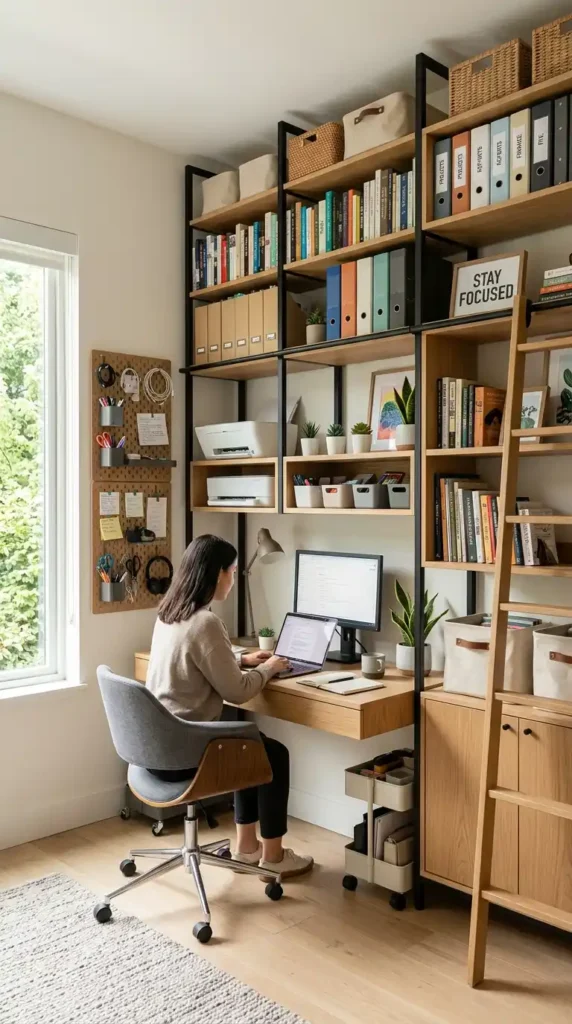
Floating shelves display books, files, and decorative items while freeing up your desk surface. Organized vertical storage creates a cleaner environment that supports better focus and improved daily workflow efficiency.
5. Pick a Calming Color Palette
Soft neutrals, muted blues, and warm greens create a calm, focused atmosphere ideal for working. Color psychology shows that soothing tones reduce stress and support sustained concentration throughout the entire workday.
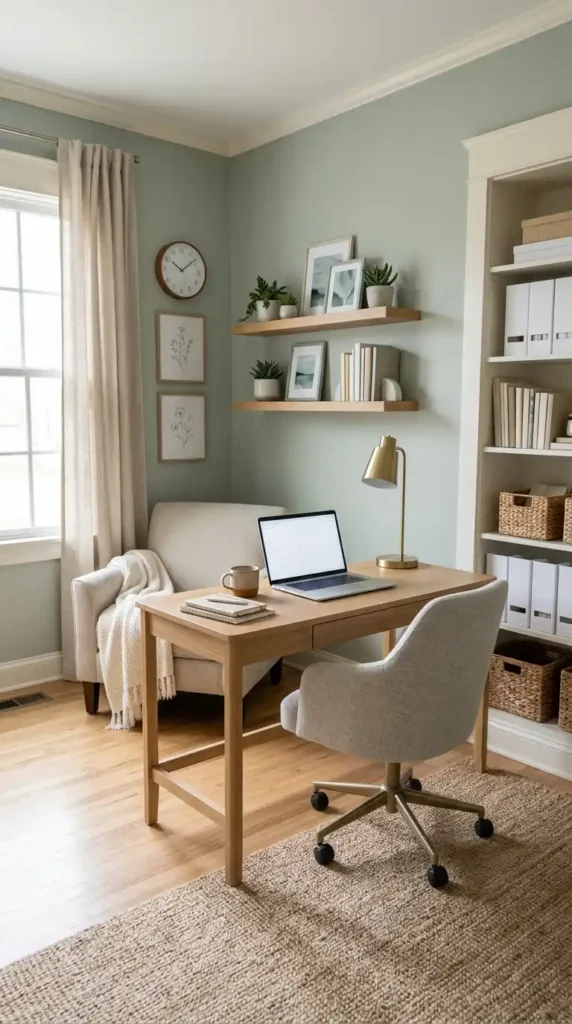
Avoid overly bright or distracting wall colors that can cause mental fatigue quickly. A carefully chosen palette makes the space feel cohesive, professional, and comfortable during both short and long sessions.
6. Add Layered Lighting
Combining ambient, task, and accent lighting creates a well-balanced, functional workspace. Layered lighting eliminates shadows, reduces eye strain, and allows you to adjust brightness depending on the time of day.
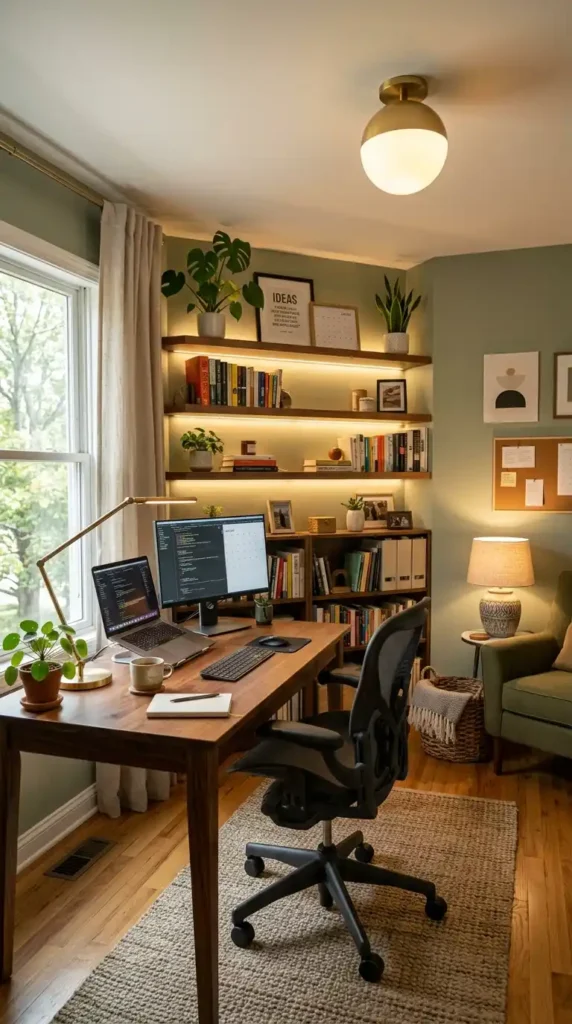
A quality desk lamp provides direct illumination for reading and writing tasks. Overhead lighting paired with softer accent sources creates a flexible environment that suits both focused work and video calls.
7. Incorporate Indoor Plants
Adding greenery to your home office improves air quality and creates a refreshing, calming atmosphere. Plants reduce stress, boost creativity, and bring natural beauty into an otherwise ordinary and sterile workspace.
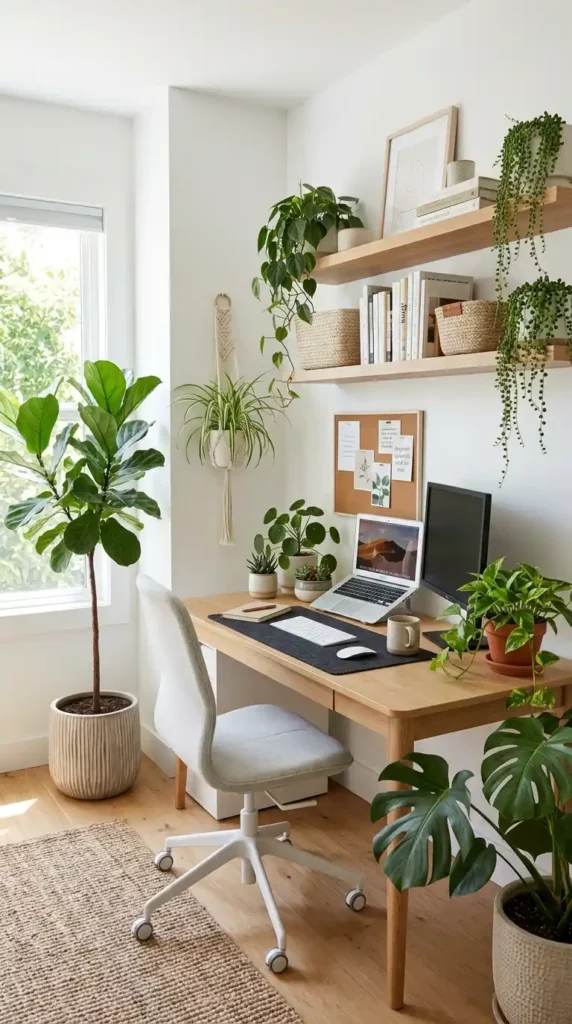
Low-maintenance plants like pothos, succulents, or snake plants thrive indoors with minimal care required. Their presence adds color, texture, and a sense of calm that makes the office genuinely more inviting.
8. Keep Your Desk Clutter-Free
A clean, organized desk surface helps maintain mental clarity and reduces unnecessary distractions during work. Removing excess items creates more usable space and makes it easier to locate important tools quickly.
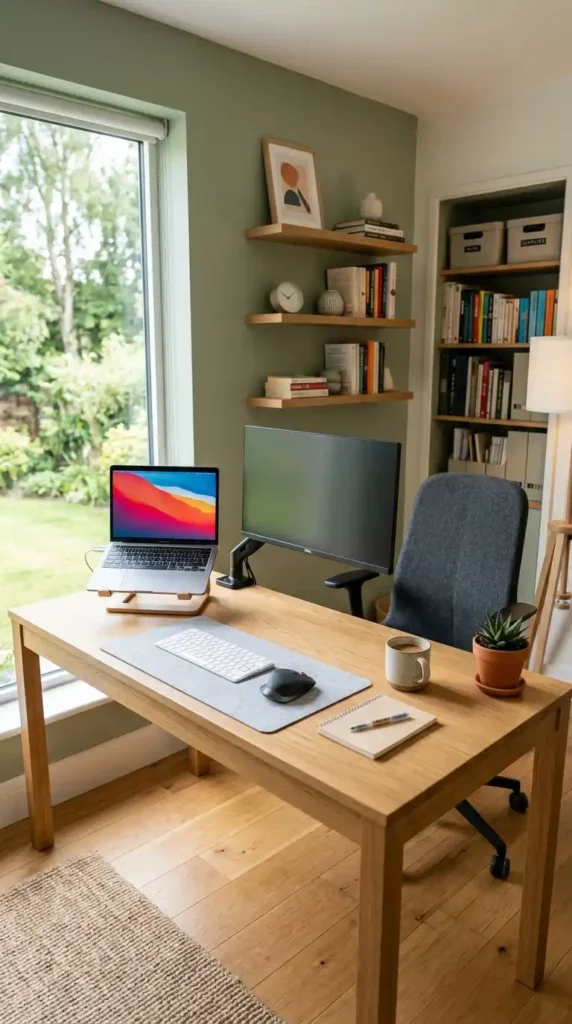
Use desk organizers, trays, and cable management solutions to maintain a tidy workspace daily. A clutter-free environment signals to your brain that it is time to focus and be productive.
9. Use a Standing Desk or Desk Converter
Alternating between sitting and standing reduces physical fatigue during long work sessions. Standing desks promote better posture, improve circulation, and help maintain higher energy levels throughout the entire productive workday.
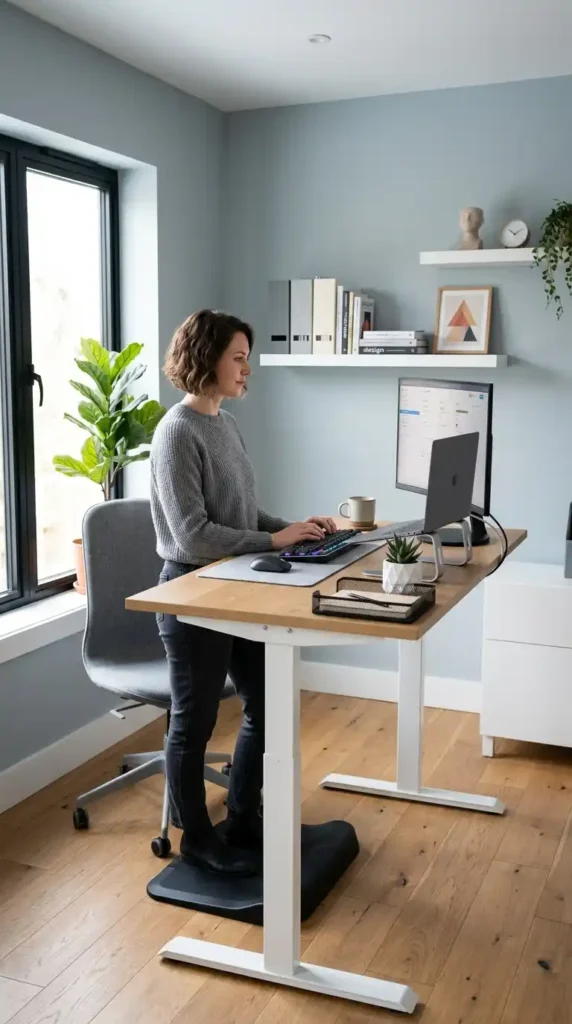
A desk converter offers flexibility without replacing your existing furniture entirely. Switching positions regularly throughout the day prevents stiffness and keeps both the body and mind feeling refreshed and engaged.
10. Create an Inspiring Accent Wall
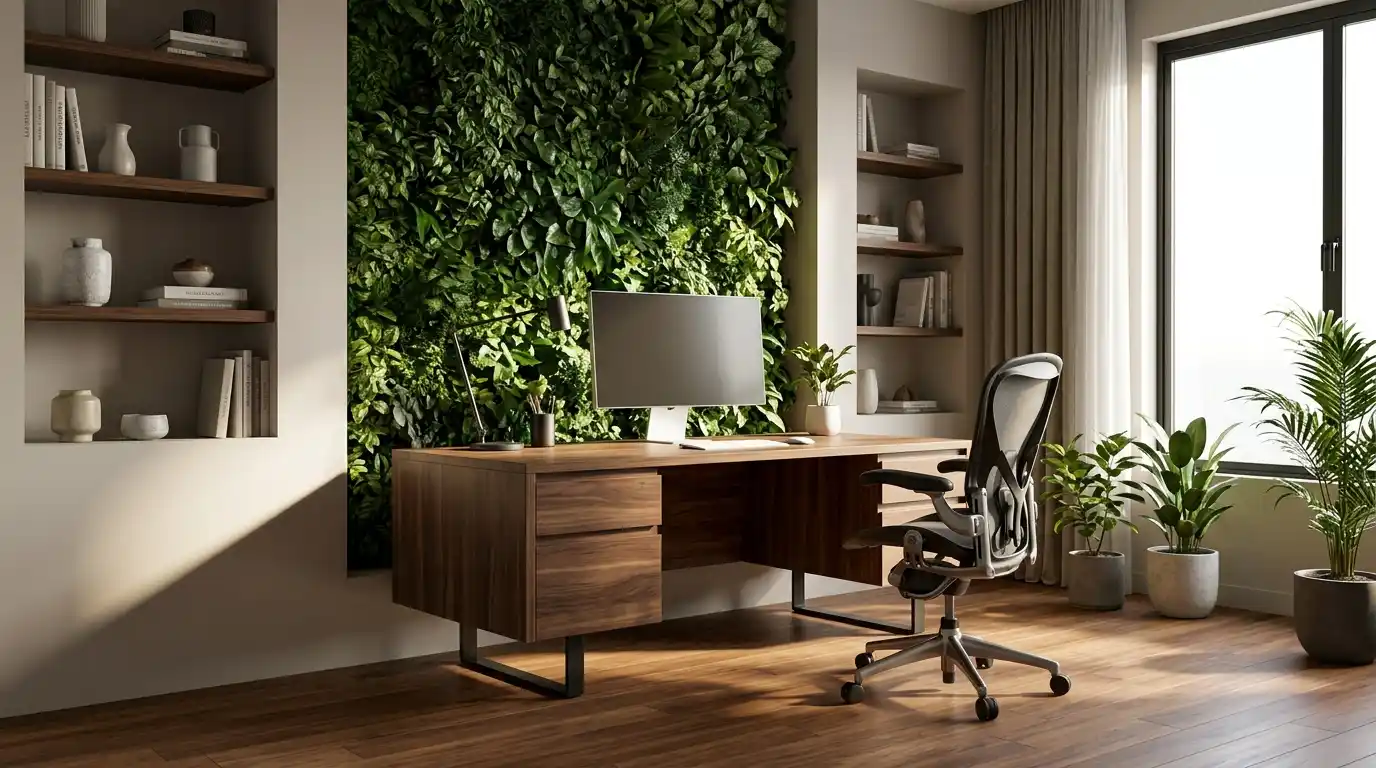
A bold accent wall adds personality and visual depth to your home office immediately. Whether using paint, wallpaper, or wood panels, it transforms a plain room into a motivating, stylish workspace.
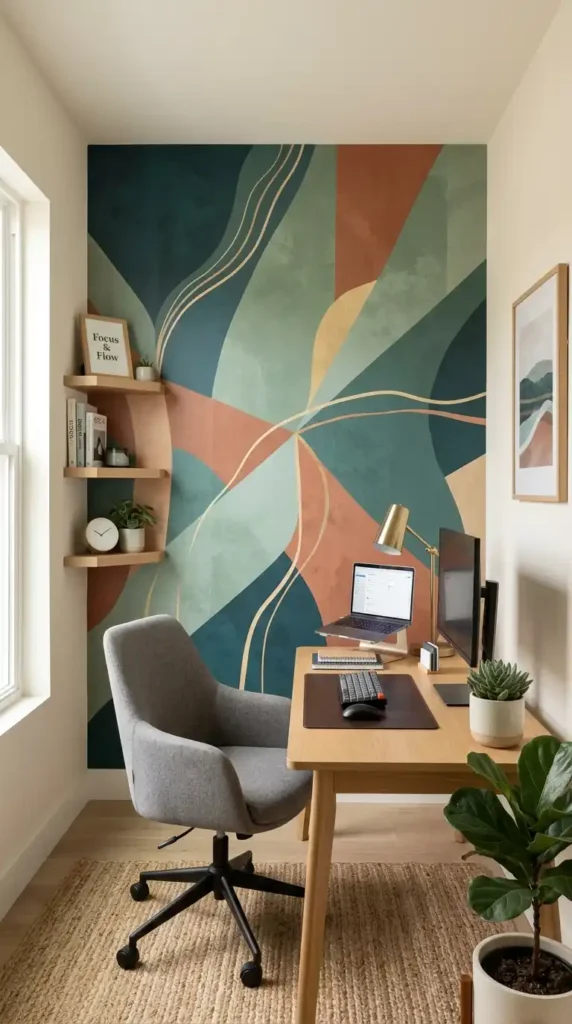
Placing your desk against a striking feature wall creates an attractive video call background too. A well-designed accent wall sets the tone for the entire room and reflects your personal style.
11. Personalize with Meaningful Décor
Displaying items that inspire you, like artwork, quotes, or travel souvenirs, makes your workspace feel personal. Meaningful décor boosts motivation and creates an environment where you genuinely enjoy spending focused work time.
Avoid over-decorating, which can create visual clutter and distraction during demanding tasks. A few carefully chosen pieces add warmth and personality without overwhelming the functional purpose of your dedicated work area.
12. Optimize Cable Management
Tangled cables create visual chaos and make your workspace feel disorganized and stressful. Using cable clips, sleeves, and under-desk trays keeps cords hidden, improving both the appearance and safety of your setup.
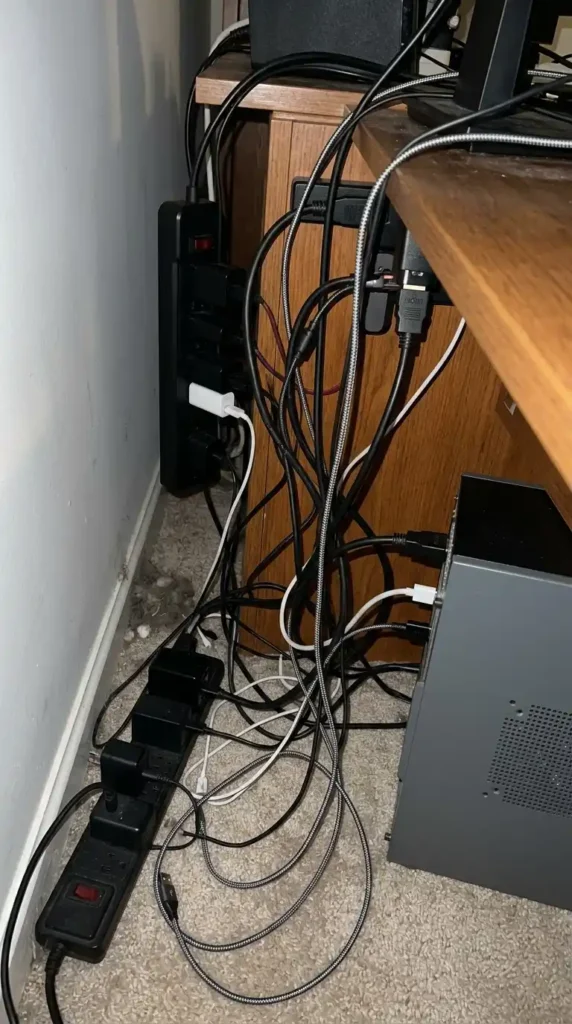
Wireless keyboards, mice, and chargers further reduce cable clutter for a cleaner desk surface. A well-managed workspace looks professional and allows you to focus entirely on work without unnecessary visual distractions.
13. Design a Dual-Purpose Space
When space is limited, designing a room that serves both work and personal purposes is essential. Foldable desks, Murphy beds, and modular furniture help create flexible layouts that adapt to different daily needs.
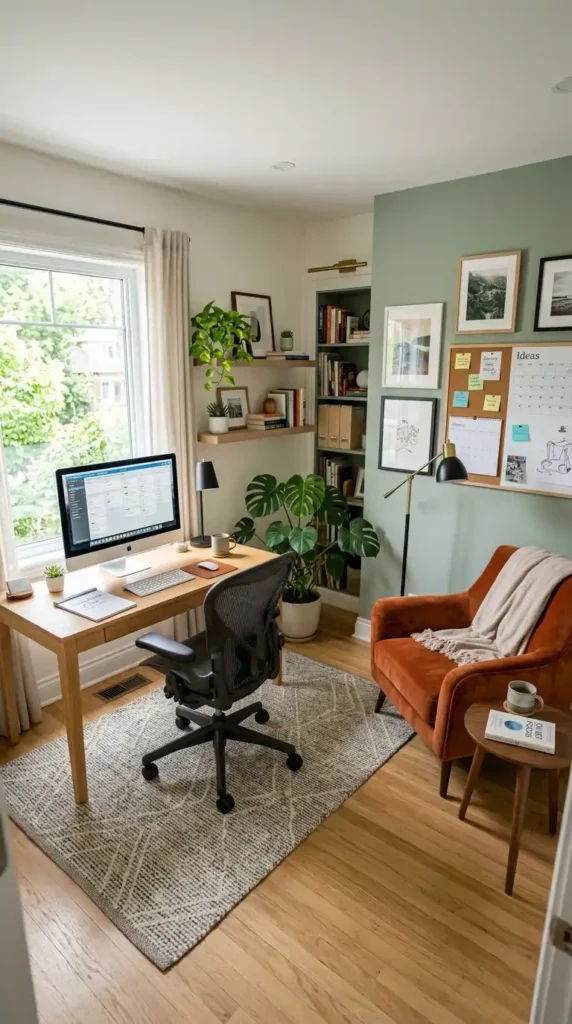
Hidden storage and convertible furniture pieces make transitions between functions smooth and effortless. A dual-purpose design ensures the room remains stylish and functional without one purpose compromising the comfort of another.
14. Soundproof Your Workspace
Noise is one of the biggest productivity killers in any home office environment. Acoustic panels, thick rugs, heavy curtains, and bookshelves filled with books all help absorb sound and minimize distracting noise.
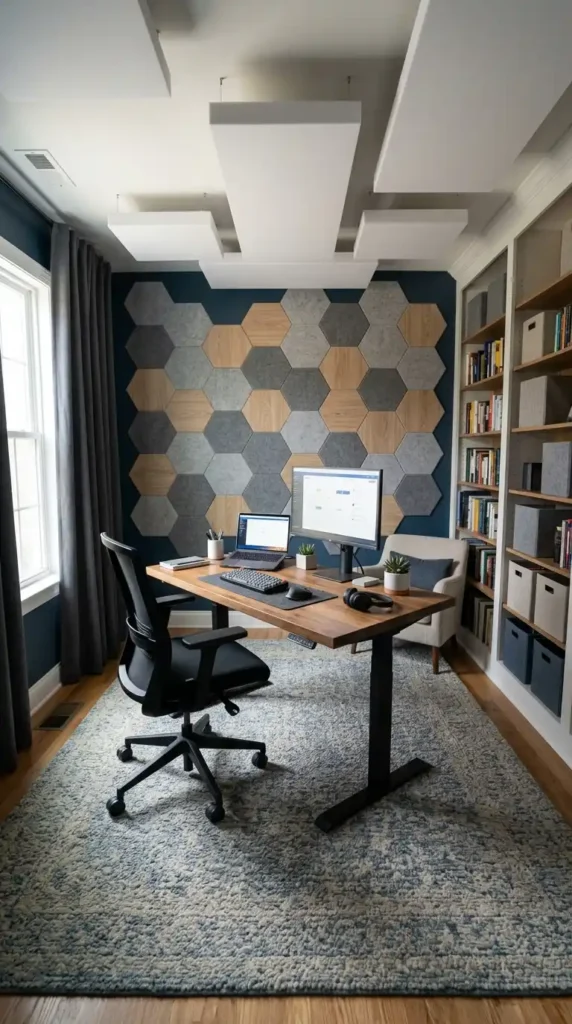
A quieter workspace improves concentration, reduces stress, and makes video calls sound more professional. Even small soundproofing improvements significantly enhance the overall comfort and focus level within your dedicated home office.
15. Install Smart Storage Under the Stairs
Unused under-stair space offers an excellent opportunity to create a compact, functional home office nook. Built-in shelving, a fitted desk, and smart lighting transform this overlooked area into a surprisingly productive workspace.
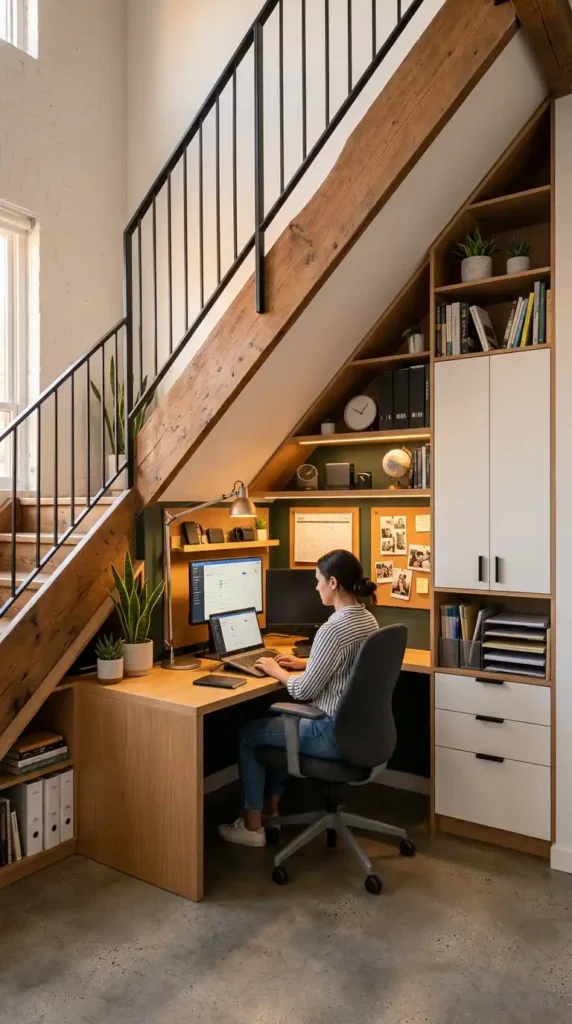
Custom cabinetry maximizes every inch of available space while keeping the design clean and intentional. This creative solution is perfect for smaller homes where finding a dedicated office area feels challenging.
16. Use Mirrors to Expand Visual Space
Strategically placed mirrors reflect light and create the illusion of a larger, more open room in home office interior design ideas. In compact home offices, mirrors make the space feel less confined while brightening every corner simultaneously.
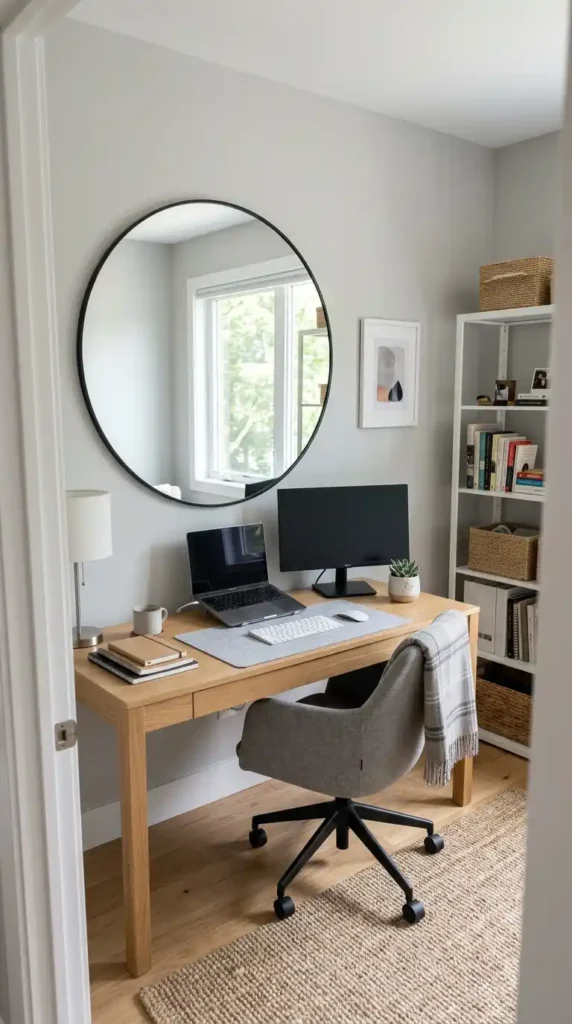
A large mirror behind the desk or beside a window doubles the effect of natural light. This simple design trick adds elegance and depth without requiring additional square footage or significant renovation work.
What Type of Desk Setup Suits Your Specific Work Style Best
Your desk setup affects your focus, comfort, and productivity. Choosing the right one based on your work style helps you stay efficient and reduces stress during long working hours.
- Minimalist Focus Setup: A clean desk with only essentials like laptop and notebook to reduce distractions and improve concentration.
- Creative Setup: Includes a spacious desk, dual screens, and inspiring items to support design work and idea generation.
- Multitasking Setup: Uses dual monitors, keyboard, and organized cables to handle multiple tasks smoothly and quickly.
- Mobile Setup: Lightweight and flexible with laptop stand and wireless tools for easy movement and remote work.
- Ergonomic Setup: Focuses on comfort with an adjustable chair, proper screen height, and posture support for healthy long work sessions.
Conclusion
A well-designed workspace directly improves focus, comfort, and daily productivity. These home office interior design ideas help transform even small areas into organized, inspiring environments that support better work habits consistently.
By applying simple changes like better lighting, storage, and layout, you can create a balanced office space. The right design choices make working from home more efficient, comfortable, and enjoyable.